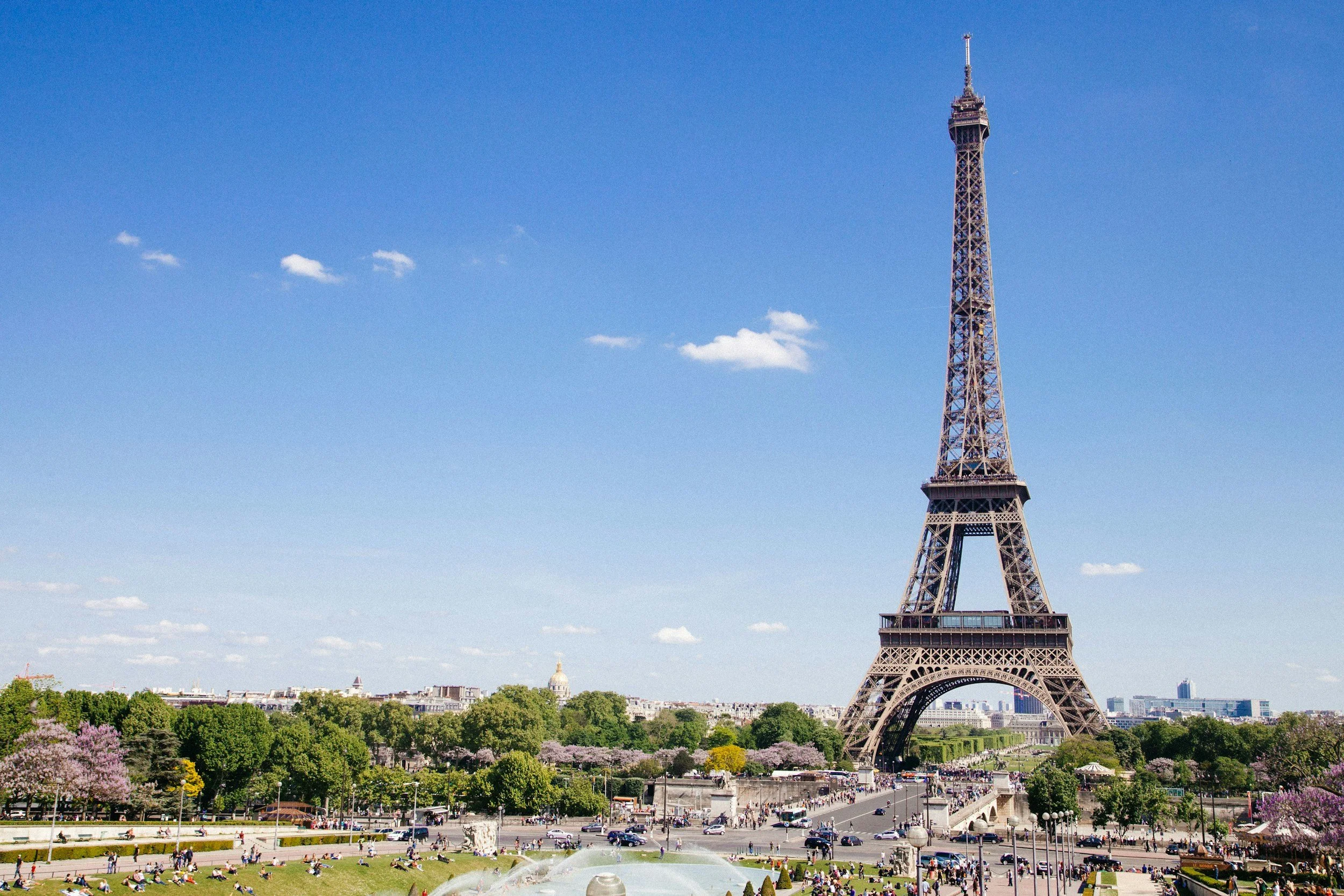
Europe With the Whole Family: How to Plan a Trip Everyone Enjoys
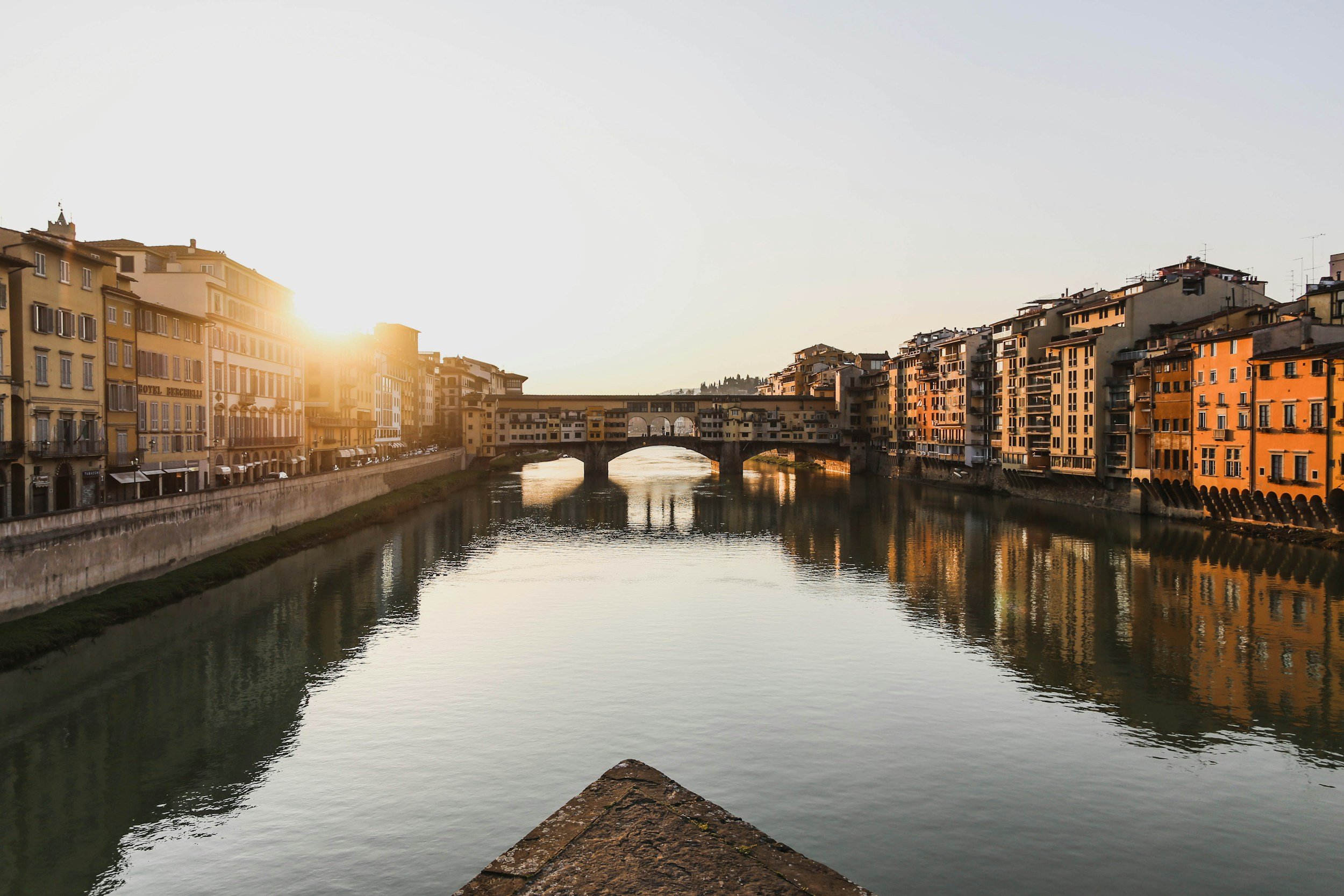
Florence, Italy
Most family trips to Europe do not go wrong because of the destination. They go wrong because of the shape of the trip. Too many hotel changes, too many early trains, and a schedule built for adults that the youngest traveler quietly (or loudly) rejects by day three.
After years of planning family travel through France, Italy, the UK and Scandinavia, I have found that the best trips follow a few simple principles. Fewer bases. Hotels that do some of the work for you. One good thing planned each day, with room left around it. Here is how I think through a family trip to Europe, whether you are traveling with a toddler, a pair of teenagers, or three generations at once.
Start With the Number of Bases, Not the List of Cities
The first question I ask families is not where they want to go. It is how many times they are willing to pack and unpack. For most families, the answer is fewer than they expect.
My general rule:
7 nights: two bases
10 nights: two bases, possibly three with older kids
14 nights: three bases, with at least four nights in one of them
Every hotel change costs you roughly half a day. With children, it can cost a whole one. Staying put longer means kids learn the rhythm of a place, find their favorite gelato counter, and stop asking what is happening next. Day trips from a single base almost always feel easier than moving the whole family.
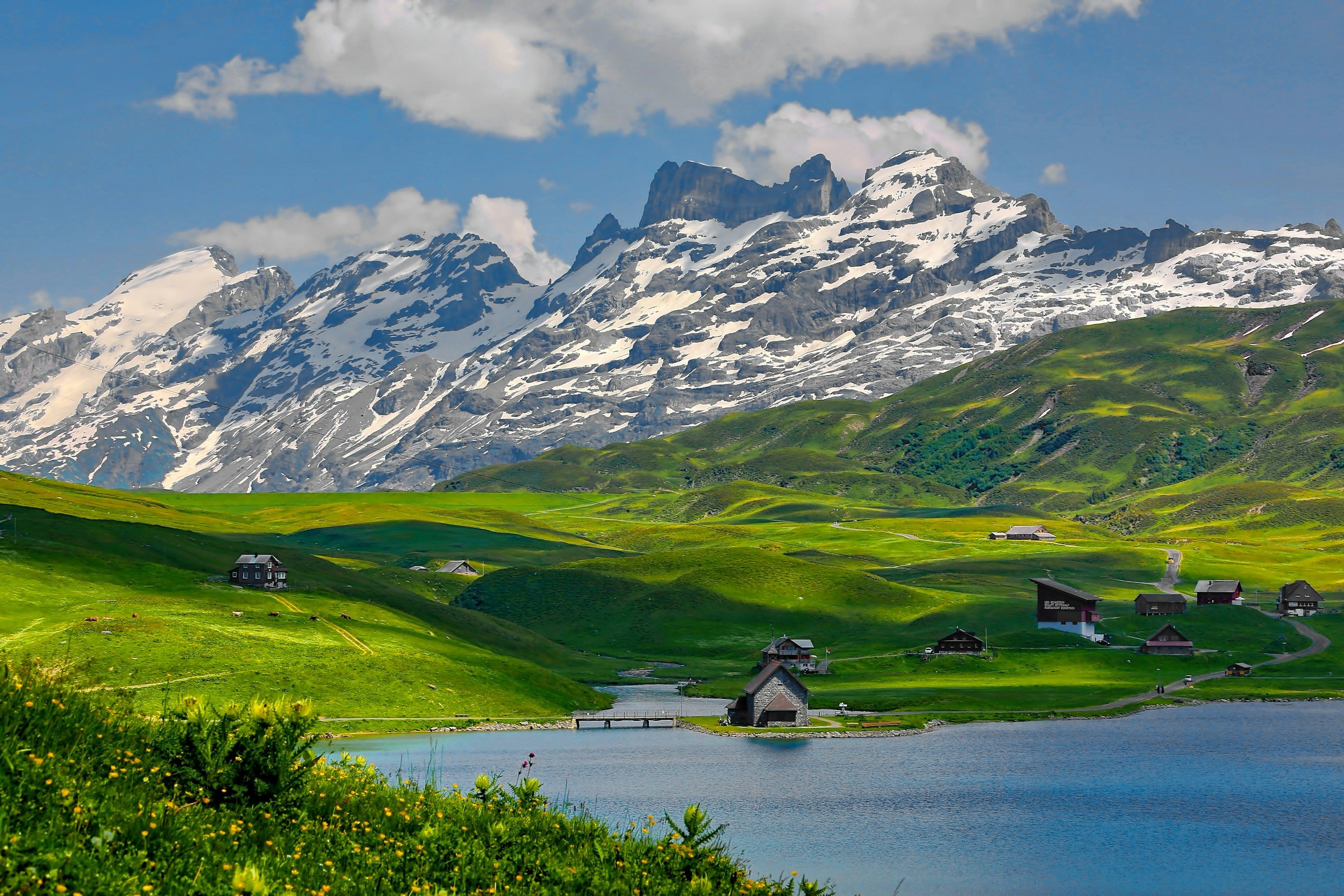
Pair a City With the Countryside
The family trips that get the best reviews from my clients almost always combine a city with somewhere slower. The city gives you the museums, the landmarks, and the energy. The countryside gives everyone room to breathe. A few pairings I return to again and again:
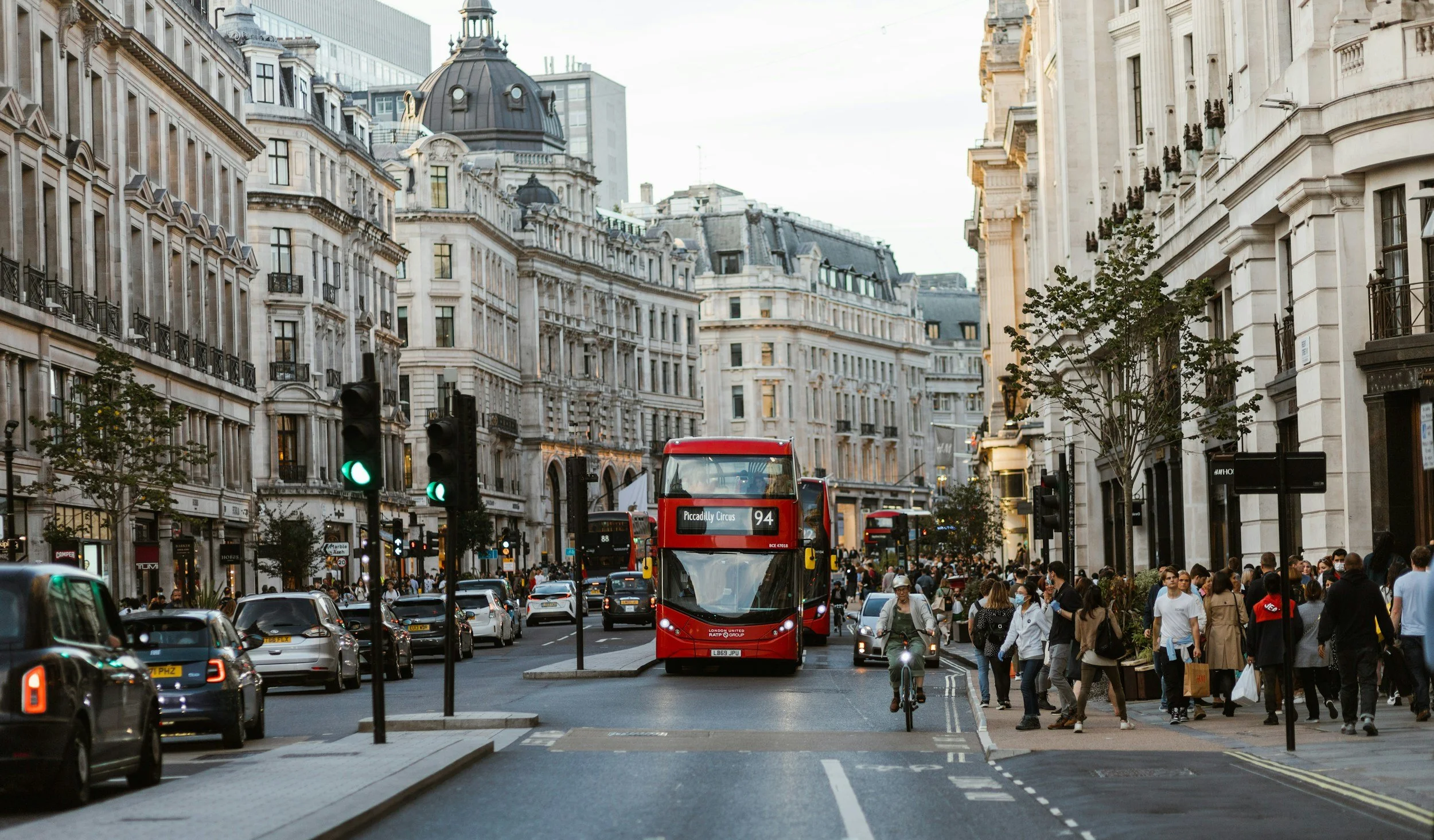
London and the Cotswolds: theater and history, then village walks, farm visits and long lunches at a country house hotel
Paris and Provence or the Loire Valley: the Eiffel Tower and the Tuileries, then châteaux, markets and a pool
Rome and Tuscany: a few big days of ancient history, then a villa or wine estate where the kids can simply run
Copenhagen and the Norwegian fjords: a walkable, design-minded city, then boat rides, waterfalls and real outdoor adventure
Fly into your city and out of the countryside region (or the reverse) whenever the airports allow it. Doubling back to your arrival city is one of the most common ways a family loses a day.and the right one really comes down to whether you want to be in the middle of the action or a step back from it.
Choose Hotels That Do Some of the Work
With families, the hotel is not just where you sleep. It is your home base, your recovery room and, on a rainy afternoon, your entire itinerary. This is where I spend the most time on a family trip, because the right room setup changes everything.
What I look for:
Connecting rooms or true family suites. Connecting rooms are often not bookable online, and they are rarely guaranteed without someone advocating for you.
A villa or residence within a resort. Families get a kitchen, separate bedrooms and a living room, with the hotel's service, pool and restaurants a short walk away.
Thoughtful kids' programs. The best ones feel local, like a pizza class in Italy or a treasure hunt through a château garden, rather than a room with a television.
A pool or garden. Nothing resets an overtired child faster than an afternoon swim.
Four Seasons, Rosewood and Belmond each have properties across Europe that do family travel especially well. As a Virtuoso advisor, I can often add perks like daily breakfast, a hotel credit or an upgrade at no extra cost to you, which adds up quickly with two or three rooms.
Plan One Anchor a Day
The itinerary that looks best on paper is rarely the one that feels best in real life. I build family days around a single anchor: one booked experience, timed for when your children are at their best.
That might be a private morning at the Vatican Museums before the crowds, a cooking class in a Provençal farmhouse, or a guided walk through the Tower of London with a guide who knows how to hold a ten-year-old's attention. The rest of the day stays open for a long lunch, a rest at the hotel, or whatever you discover along the way.
Private guides are worth it with children. A good guide adjusts the pace, skips what is not landing, and turns a museum into a story.
Make Travel Days Easy
Travel days set the tone for the next stop, so I plan them carefully.
Take the train between major cities when it is direct. The Eurostar links London and Paris in just over two hours, and Italy's high speed trains make Rome to Florence an easy morning.
Book private transfers for station and airport connections, especially with luggage and car seats.
Skip the rental car in the first days after a long flight. If you want one for the countryside, pick it up once you are settled.
Choose Your Timing Well
Summer is when most families can travel, and it is also when Europe is at its busiest and warmest. A few ways to make it work:
Go in June if your school calendar allows. Crowds and temperatures climb noticeably in July and August.
Head north in high summer. The UK and Scandinavia are pleasant in July and August, and the long daylight in Norway feels like a bonus day.
Consider spring break or the holidays. Paris in spring and Christmas markets in December are both wonderful with children.
Book early. The best family rooms at the best hotels are limited, and they go first. For summer travel, I recommend starting to plan nine to twelve months out.