
The Art of Traveling Well Together: Multigenerational Travel for High Net Worth Families
Safari
There is a particular kind of magic that happens when three generations sit down to dinner together somewhere beautiful and far from home. Grandparents who have seen the world through their own lens. Parents who are finally exhaling after months of logistics. Children discovering that history and geography are not abstract concepts but actual places with smells and sounds and tastes.
Multigenerational travel is having a real moment among high net worth families, and it is easy to understand why. These trips are not just vacations, they are the kind of shared experiences that become family lore. The summer we spent in the Dordogne. That pasta lesson in Bologna where your mother finally admitted she had been making it wrong for forty years.
But getting it right takes more thought than a standard trip for two. When you are traveling with a range from eight to eighty, the details matter enormously. Here is how I think about planning these trips for the families I work with.
Start With the Right Destination
Not every destination works for every family configuration, and choosing well is the most important decision you will make. The best multigenerational destinations tend to share a few qualities: they offer genuine variety without requiring everyone to be in constant motion, they have infrastructure that makes accessibility effortless rather than something to negotiate, and they provide enough space, physical and emotional, for different generations to find their own rhythm within the trip.
A few types of destinations that consistently deliver:
Italy is almost universally beloved across generations. The pace is gentle, the food is approachable for even picky eaters, and there is enough cultural depth to hold the attention of anyone from a curious ten-year-old to a seasoned traveler. Tuscany in particular lends itself beautifully to villa-based travel, where the property itself becomes the gathering place.
The South of France rewards those who slow down. A farmhouse in Provence or a seaside perch on the Côte d'Azur creates the conditions for the kind of trip where the best moments are unplanned ones. Markets in the morning, a long lunch, the pool in the afternoon.
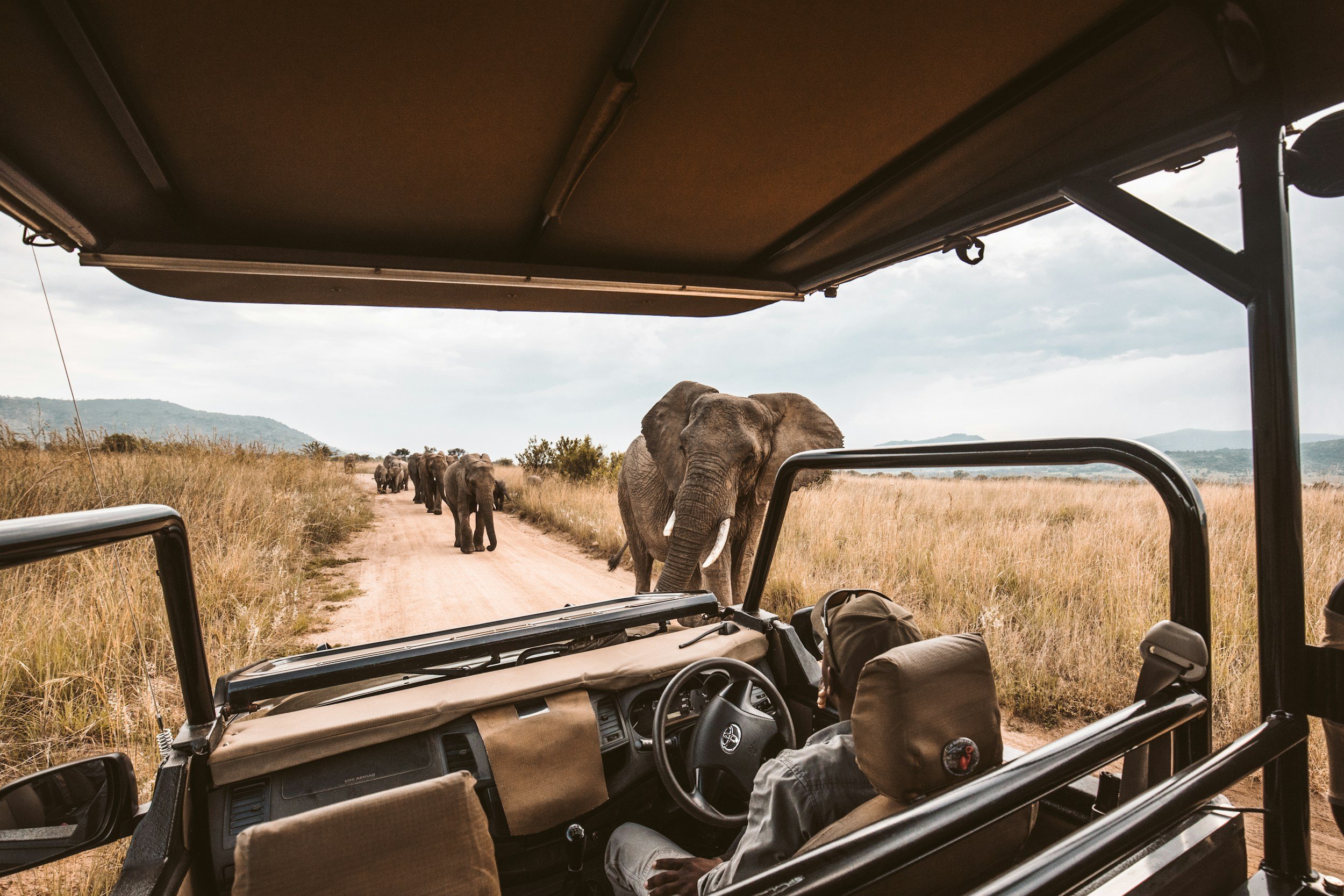
African safarisare extraordinary for families because the experience is genuinely shared. Everyone is seeing the same extraordinary thing at the same time, regardless of age. The right camps accommodate children beautifully while offering the privacy and service levels that adults expect.
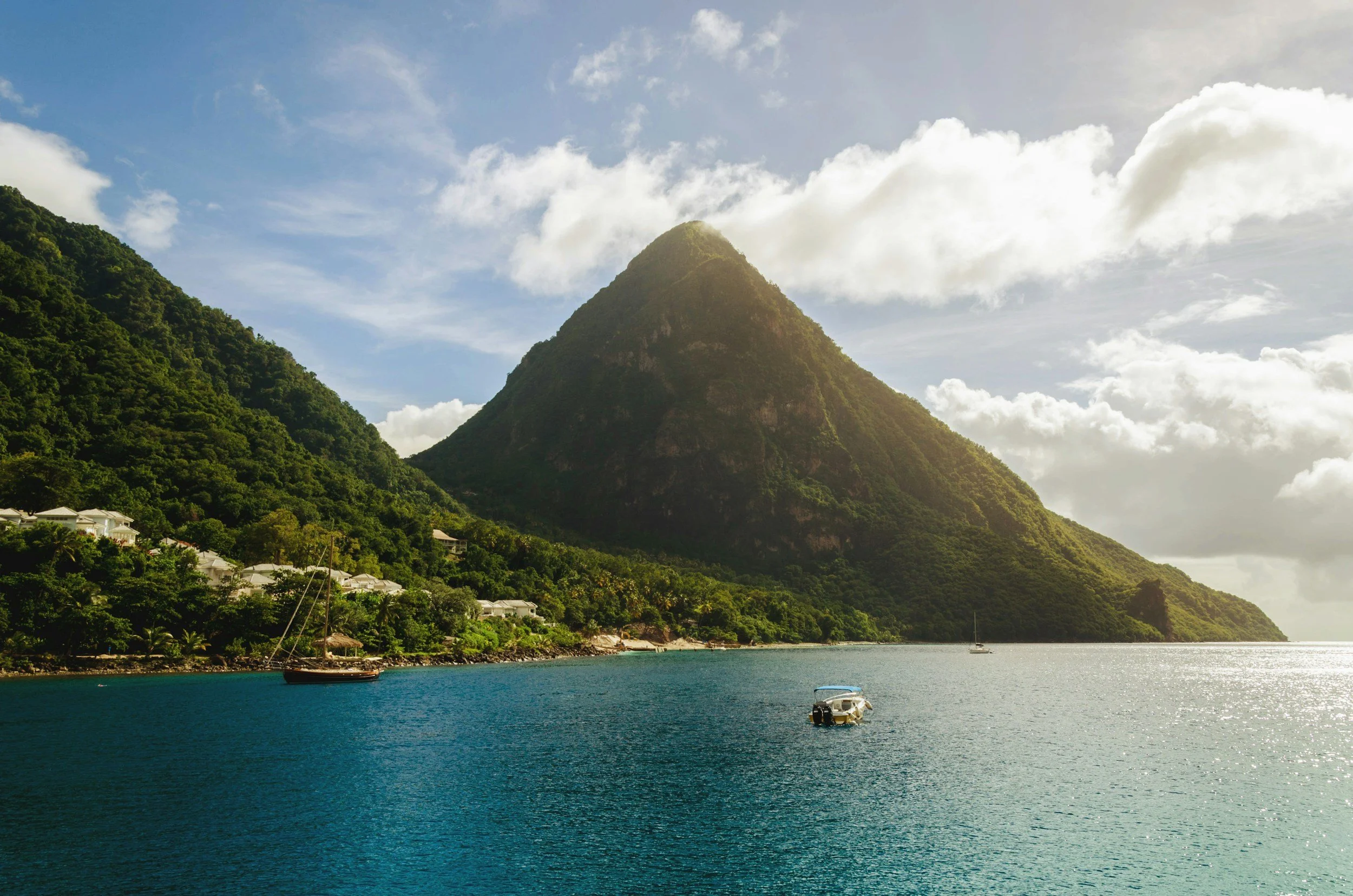
The Caribbean offers ease alongside beauty. For families where some members have mobility considerations or simply prefer not to navigate cobblestones and language barriers, the right Caribbean property can provide total immersion in luxury with very little friction.
The destination should not just be beautiful. It should suit your specific family.
Think About Accommodation Before Anything Else
This is where multigenerational trips succeed or quietly fall apart. The wrong accommodation creates friction that no amount of good itinerary planning can overcome. The right one becomes the heart of the trip.
Private villas are often the answer for larger families. A property with multiple bedrooms, shared living spaces, outdoor areas, and ideally a pool gives everyone what they need: togetherness when you want it, privacy when you need it. Adding a private chef removes the decision fatigue of where to eat each night and creates some of the best moments of the trip — long evenings around a table that no one is rushing you away from.
Connecting suites at the right hotel can work beautifully as well. I look for properties where the room configuration makes sense for the family, where the public spaces are genuinely comfortable rather than just impressive, and where the service team has real experience with multigenerational groups. The best hotels in this category anticipate needs before they are expressed.
What I steer clients away from: properties that look stunning in photographs but are not practically designed for mixed ages. Lots of stairs, limited dining flexibility, or a vibe that is better suited to couples than families. These details matter and they are worth vetting carefully before booking.
A Few Things Families Often Overlook
Accessibility deserves a real conversation early. Not a polite, vague one, an honest one. If a grandparent uses a cane, or has trouble with long walks, or needs ground-floor accommodation, these details should shape every booking decision. The best properties accommodate this gracefully. Some do not, and it is better to know before you arrive.
Dietary needs are worth taking seriously. A family traveling with a grandparent with a medical diet, children with allergies, and adults with strong preferences represents real complexity. I always confirm this with properties and private chefs in advance and do not assume it will work itself out on arrival. (A note for families traveling with young children: food allergies require genuine due diligence, particularly in international destinations where labeling and kitchen practices vary.)
Overscheduling is the most common mistake. Families sometimes feel that because they have spent significantly on a trip, every day should be maximally productive. It should not. Some of the best multigenerational travel moments happen in the spaces between planned activities — on a terrace, by a pool, at a market without a time constraint. Build rest into the design.
Photography is worth planning for. These trips go by quickly and the images become genuinely precious. Identifying a talented local photographer for even one session: a family dinner, a morning excursion, is a small investment with lasting returns.
